Opioid addiction can begin in more than one way. You may receive prescription pain medication after surgery or an injury. Someone else may first use opioids without medical guidance. In both cases, repeated exposure can change how the brain responds to pain, reward, stress, and discomfort.
These changes help explain why stopping may become difficult. You may want to quit and still experience powerful cravings or withdrawal. That struggle is not proof that you lack character. Opioid use disorder is a treatable health condition. Understanding how it develops can help you recognize warning signs and seek appropriate support. Professional opioid addiction treatment can address physical dependence while helping you change the patterns connected with continued use.
Opioids Change How Your Brain and Body Experience Pain
Opioids attach to specific receptors found in your brain, spinal cord, and other areas. These receptors play a role in pain, stress, breathing, digestion, and feelings of reward. When an opioid reaches these receptors, it can reduce how strongly you experience pain. It may also produce calmness, relaxation, or euphoria. The intensity depends on the drug, dose, method of use, and your individual response.
Your brain remembers experiences that bring relief or pleasure. If opioids quickly ease physical or emotional discomfort, your brain may begin connecting the drug with safety or escape. That connection can grow stronger through repetition. Pain, stress, certain people, or familiar places may later trigger an urge to use. The craving can appear before you consciously decide what to do. Opioids can also slow breathing. Taking too much can reduce oxygen and cause a fatal overdose. Combining opioids with alcohol, benzodiazepines, or other sedatives can raise that risk.
Tolerance Can Make the Original Dose Feel Less Effective
Tolerance develops when your body becomes less responsive to the same amount of an opioid. A dose that once brought relief may no longer feel as effective. You may begin taking a larger amount or using the drug more often. If you have a prescription, you might take an extra dose without speaking with the prescriber. Someone using an illegal opioid may seek a stronger supply.
Tolerance does not mean your body is protected. The risk of breathing problems and overdose can remain or increase. Street drugs also create added uncertainty because their strength and contents may be unknown. Tolerance can develop without addiction. A person taking medication exactly as prescribed may experience physical changes. However, increasing a dose without medical guidance can create serious risk. Speak with your prescriber if pain medication no longer works as expected. Do not raise the amount or shorten the time between doses on your own. Your healthcare provider can review safer options and determine whether continued opioid use remains appropriate.
Physical Dependence and Addiction Are Not Identical
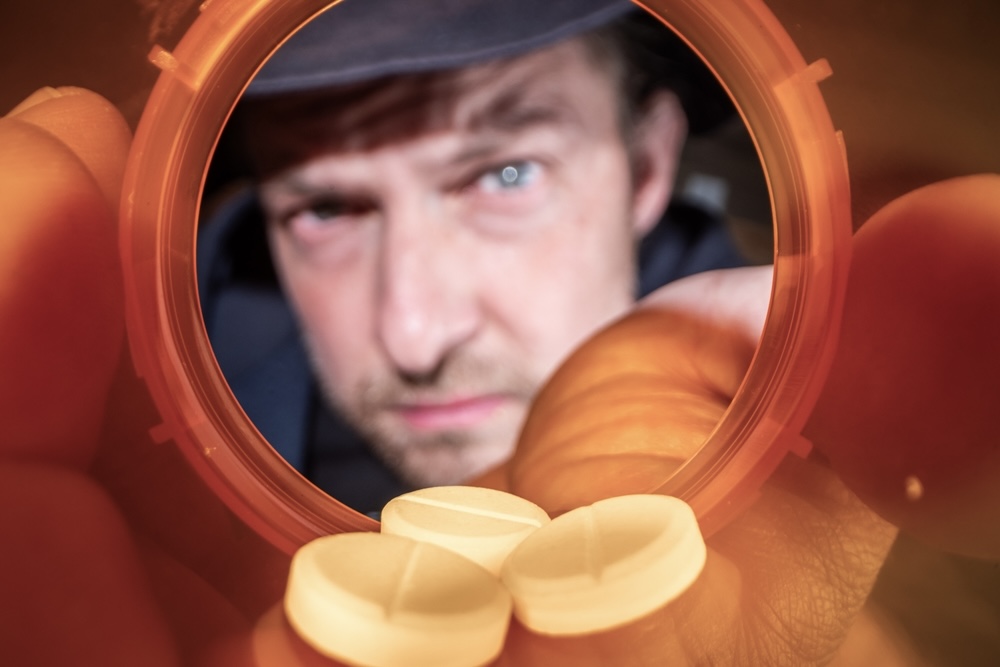
Physical dependence means your body has adapted to an opioid. If the drug is stopped or reduced, withdrawal symptoms may appear. Dependence can happen during legitimate medical treatment. It does not automatically mean you have opioid use disorder. A clinician considers your behavior, control, consequences, cravings, and other factors. Addiction involves a broader pattern. You may use more than planned, make repeated unsuccessful attempts to stop, or spend significant time obtaining and recovering from opioids.
Responsibilities can become harder to manage. Relationships, health, finances, or work may suffer. You might continue using even when you understand the harm. The difference matters because shame can prevent honest conversations. You do not need to label yourself before asking for help. A professional assessment can determine what is happening and what level of support may be useful.
Withdrawal Can Keep the Cycle Going
Opioid withdrawal can cause intense discomfort. Symptoms may include anxiety, restlessness, sweating, yawning, runny nose, muscle pain, nausea, vomiting, diarrhea, stomach cramps, and poor sleep. The timing depends on the opioid involved. Symptoms may begin within hours for some short-acting opioids. Longer-acting drugs may produce a later onset. Withdrawal is often described as flu-like, but that description may understate the experience. Cravings, emotional distress, sleeplessness, vomiting, and diarrhea can make it hard to function.
Opioid withdrawal is not usually life-threatening by itself in a healthy adult. However, complications can become serious. Vomiting and diarrhea may cause dehydration. Pregnancy, medical conditions, and the use of other substances can add risk. Returning to opioid use after a period without it creates another danger. Tolerance may fall quickly, so a previously used amount can cause an overdose.
Why Willpower Alone Is an Unstable Recovery Plan
Wanting to stop matters. Motivation can help you make the first call and remain engaged. However, motivation naturally changes. A difficult day, strong craving, family conflict, or unexpected pain can weaken your resolve. If willpower is your only tool, one stressful moment can feel like total failure. Treatment adds structure around your decision. You can learn how to recognize triggers before they become overwhelming. A counselor can help you practice responses for cravings, stress, and social pressure.
Your plan can also address practical barriers. Transportation, housing, work, family needs, and medical care can all affect recovery. Accountability does not mean punishment. It means having people who notice when you are struggling and help you return to your goals. Recovery is not made stronger by handling everything alone. Support gives your motivation somewhere to go when it feels low.
How Medication Can Support Opioid Recovery
Medications for opioid use disorder can reduce withdrawal, cravings, or the effects of opioids. Common options include buprenorphine, methadone, and naltrexone. These medications work in different ways. They also have different timing, prescribing, and monitoring requirements. A qualified clinician must determine which option is appropriate. Medication is not replacing one addiction with another. When correctly prescribed, it supports brain stability and reduces the disruption caused by uncontrolled opioid use.
Some people remain on medication for an extended period. There is no single timeline that fits everyone. Decisions about changing or stopping medication should involve the prescribing professional. A broader medication-assisted treatment plan may also include counseling, medical monitoring, recovery education, and continued support. Do not purchase treatment medication from an unverified source. Never change your dose or stop suddenly without speaking with your clinician.
Counseling Addresses What Medication Cannot Solve Alone
Medication can support physical stability, but it does not make every trigger disappear. Counseling helps you understand the situations, emotions, and habits connected with opioid use. You may explore how pain, stress, trauma, anxiety, depression, or isolation influenced the pattern. These conversations should happen without shame. Cognitive behavioral approaches can help you notice connections between thoughts, feelings, and actions. You can then practice healthier responses to high-risk situations.
Group therapy may reduce isolation. Hearing from others can help you understand that recovery challenges are not unique to you. Family involvement may improve communication and clarify boundaries. Loved ones can learn how to support recovery without trying to control it. Counseling also helps you plan for life outside treatment. Work, relationships, medical care, and healthy routines all need practical attention.
Overdose Risk Remains Important During Recovery
Opioid overdose can cause slow or stopped breathing, blue or gray lips, pinpoint pupils, choking sounds, or an inability to wake. Call 911 immediately if you suspect an overdose. Naloxone can temporarily reverse an opioid overdose. Family members and close contacts should learn how to use it and know where it is stored. Give naloxone if available, then call emergency services. A person may need additional doses and continued medical care because naloxone can wear off before the opioid does.
Never leave someone alone after naloxone is given. Follow emergency instructions and support breathing if trained to do so. A return to use after detox, treatment, incarceration, or any period without opioids can be especially dangerous. Reduced tolerance raises overdose risk. Overdose education belongs in every recovery plan. It does not encourage drug use. It gives families practical knowledge that can save a life.
Treatment Should Match Your Current Level of Need
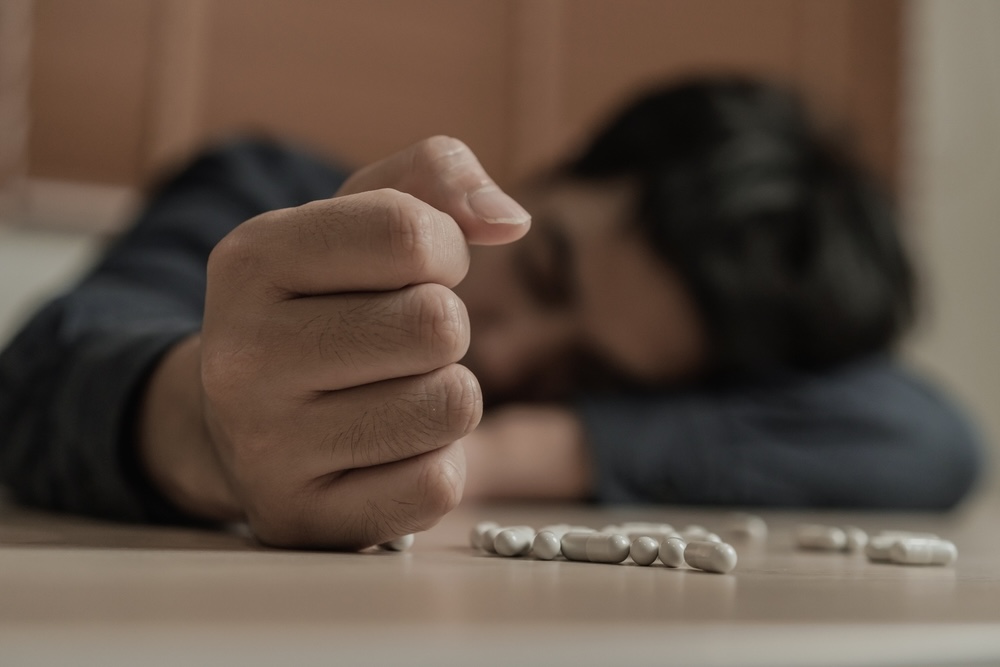
Not everyone begins recovery in the same setting. Your needs depend on withdrawal symptoms, health, home stability, mental health, and previous treatment. Medical detox may help you move through withdrawal with professional monitoring. Residential care offers daily structure and separation from outside triggers. Intensive outpatient treatment provides scheduled clinical care while you live at home. It may fit people who are medically stable and have a supportive environment.
Your level of care can change as you progress. You might begin with detox, continue through residential treatment, and later move into outpatient services. The most convenient program is not always the safest starting point. A complete assessment helps match treatment intensity to your needs. Ask how providers coordinate medication, counseling, family support, and aftercare. Connected services can make transitions between levels of care easier.
Recovery Is Possible With Care That Treats the Whole Person
Understanding opioid addiction means recognizing how physical dependence, brain changes, cravings, emotions, and daily circumstances interact. Willpower can help you begin, but it should not carry the entire weight of recovery. Medical care, medication, counseling, overdose planning, and continued support can provide a stronger foundation. If you use prescription opioids, speak with your prescriber before changing the dose or stopping.
Nova Vital Recovery provides personalized opioid addiction treatment. Available services include medically supported detox, residential care, medication-assisted treatment, and intensive outpatient programs. Our team will help you understand your options and choose an appropriate place to begin. Contact Nova Vital Recovery to take the next step with structure, guidance, and compassionate support.