The Opioid Crisis What Every Family Needs to Understand Right Now
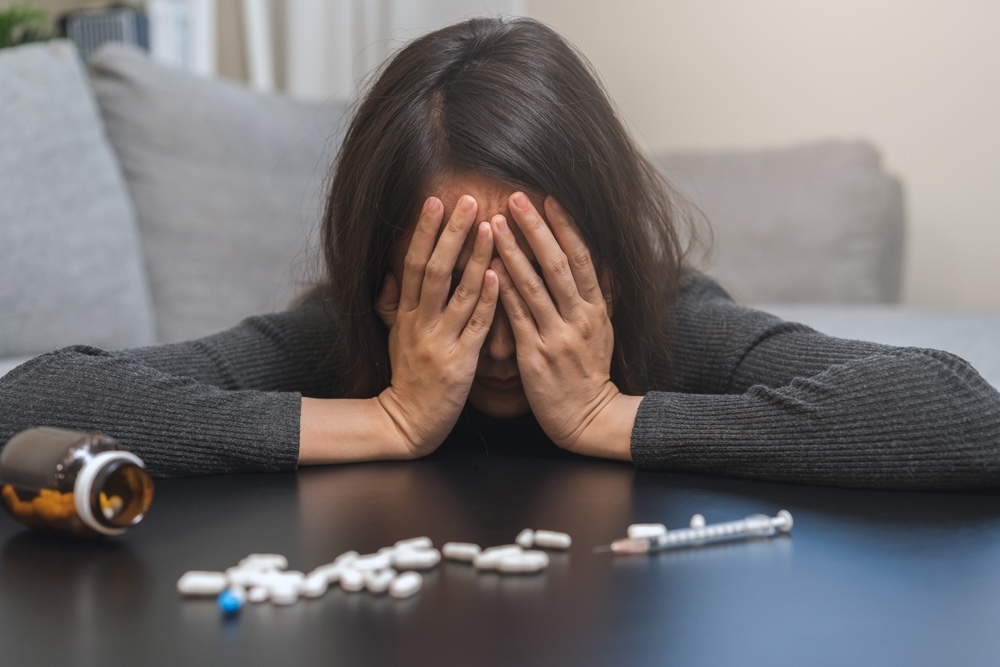
The opioid crisis is not limited to one type of person or family. It affects working adults, parents, young people, veterans, older adults, and people living with chronic pain. Addiction may begin with prescription medication, heroin, or a counterfeit pill containing fentanyl.
Recent declines in overdose deaths offer hope. They show that prevention, naloxone access, effective treatment, and public awareness can save lives. However, the crisis is far from over. Families continue to lose loved ones, and many people remain at risk. Learning about opioid addiction treatment can help you respond with practical options instead of fear, blame, or misinformation. Understanding the crisis also helps you recognize when concern has become an emergency.
The Opioid Crisis Has Changed Over Time
The opioid crisis has moved through several overlapping stages. Prescription painkillers played a major role in its early growth. Some people developed dependence after receiving opioids for surgery, injury, or ongoing pain. As prescribing practices changed, some people turned to heroin or pills obtained outside licensed pharmacies. This shift created new risks because illegal supplies do not follow medical standards.
Fentanyl later became a major part of the drug supply. Its strength and unpredictability have increased overdose danger. A person may take fentanyl without realizing it is present. The crisis now involves prescription opioids, heroin, fentanyl, counterfeit medication, and other drugs mixed with synthetic opioids. Families cannot rely on older ideas about what opioid use looks like. The changing drug supply also means that occasional use can be deadly. Someone does not need a long history of addiction to experience an overdose. One counterfeit pill may contain enough fentanyl to stop breathing.
Fentanyl Has Made the Drug Supply Less Predictable
Fentanyl is a powerful synthetic opioid. Medical professionals use pharmaceutical fentanyl in controlled settings for certain types of severe pain. Illegally manufactured fentanyl is different. It may be sold as a powder or pressed into pills that resemble prescription medications. Fentanyl can also be mixed with heroin, cocaine, methamphetamine, or other substances. The person using the drug may not know it is present.
Very small differences in the amount can greatly affect overdose risk. Two pills that look identical may contain different ingredients or strengths. You cannot confirm that a pill is safe by looking at its color, shape, or marking. Medication should come from a licensed pharmacy and be taken only by the person for whom it was prescribed. Families should discuss this risk without exaggeration or shame. Clear information is more useful than scare tactics. Your loved one should know that a single exposure can cause an overdose and that treatment remains available.
Opioid Addiction Can Begin in More Than One Way
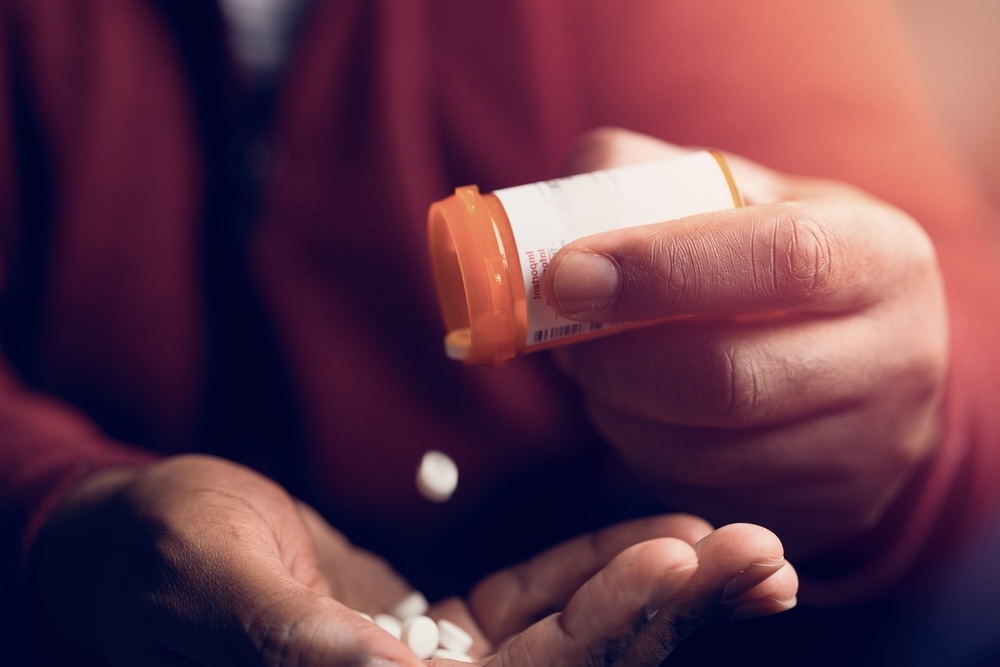
Some people first use opioids during legitimate medical care. A prescription may follow surgery, an accident, or treatment for severe pain. Others first encounter opioids socially or during emotional distress. They may be looking for relief from anxiety, trauma, loneliness, or another problem. Repeated opioid use can lead to tolerance. This means the same amount produces less of the original effect. A person may begin using more or taking doses more often.
Physical dependence may also develop. When opioid use stops or decreases, withdrawal symptoms can appear. These may include anxiety, sweating, muscle pain, nausea, diarrhea, stomach cramps, and poor sleep. Tolerance and dependence are not always the same as addiction. Opioid use disorder involves cravings, loss of control, and continued use despite harm. Understanding these differences helps families respond with compassion. Addiction is not proof that someone lacks character or cares less about the people around them.
Families May Notice Changes Before They Know the Cause
Early signs can be easy to dismiss. Your loved one may seem unusually tired, withdrawn, irritable, or distracted. Sleep patterns may change. Someone might stay awake at unusual hours or fall asleep during conversations. Personal care and daily routines may receive less attention. You could notice missing medication, unexplained spending, or repeated requests for money. Work, school, and household responsibilities may become harder to manage. Physical signs may include very small pupils, slowed movement, itching, constipation, or frequent drowsiness. These signs do not prove opioid addiction by themselves.
Behavioral changes matter too. Your loved one may become secretive about medication, visit several providers, or run out of prescriptions early. Avoid turning your concern into constant surveillance. Calmly describe what you have noticed. Explain how it affects safety and the family. A professional assessment provides more reliable answers than an accusation. You do not need to prove a diagnosis before encouraging someone to seek help.

Knowing the Signs of Overdose Can Save a Life
An opioid overdose slows or stops breathing. A person may not respond when you call their name or press firmly on the center of their chest. Breathing may become slow, shallow, irregular, or absent. The lips, fingertips, or skin may appear blue, gray, or unusually pale. You might hear choking, snoring, or gurgling sounds. Do not assume the person is sleeping normally. Call 911 immediately if you suspect an overdose. Waiting for every possible sign can waste valuable time.
Give naloxone if it is available. Naloxone temporarily blocks opioid effects and may restore breathing. A second dose may be necessary. Stay with the person until emergency help arrives. Follow the dispatcher’s instructions. Provide rescue breathing or CPR if you are trained and directed to do so. Naloxone can wear off before the opioid leaves the body. The person still needs emergency evaluation, even if they wake up and say they feel fine.
Every Household at Risk Should Have Naloxone
Naloxone is an opioid overdose reversal medication. It is often available as a nasal spray that family members can use. Keeping naloxone at home does not encourage drug use. It gives you a practical response during a life-threatening emergency. Store it somewhere accessible. Tell household members where it is and review the instructions before an emergency occurs.
Check the expiration date and replace the medication when needed. Do not keep it locked somewhere that is difficult to reach quickly. Family members should also understand that naloxone is temporary. Emergency services must still be called. More than one dose may be required when powerful opioids are involved. Consider carrying naloxone if your loved one uses opioids, has recently completed detox, or is returning home after incarceration. Reduced tolerance can increase overdose risk. An overdose response plan can reduce panic. Write down the steps, emergency number, address, and medication location.
Reduced Tolerance Creates a Hidden Danger
Tolerance can fall after detox, treatment, hospitalization, incarceration, or any period without opioids. This change may happen faster than expected. If someone returns to the amount they previously used, their body may no longer tolerate it. The result can be a fatal overdose. Families sometimes believe detox has removed the risk. In reality, the period after detox can be especially dangerous if continued treatment is not in place. Cravings may remain after physical withdrawal improves. The person may return to the same stress, environment, or social pressures connected with opioid use.
A continued care plan helps address these risks. It may include medication, counseling, residential treatment, outpatient services, recovery meetings, or peer support. Make sure the person leaves treatment with naloxone and knows how reduced tolerance affects overdose risk. Family members should receive the same information. Detox can be an important first step. It should connect directly with care that supports longer-term recovery.
Medication Can Be a Critical Part of Treatment
Medications for opioid use disorder include buprenorphine, methadone, and naltrexone. Each option works differently. Buprenorphine and methadone can reduce withdrawal and cravings. Naltrexone blocks opioid effects and requires an opioid-free period before it begins. Medication is not simply replacing one addiction with another. When prescribed and monitored correctly, it can support stability and reduce uncontrolled opioid use. The right medication depends on the person’s health, current opioid use, withdrawal status, treatment history, and preferences.
Some people use medication for an extended period. There is no single timeline that works for every person. Families can support treatment by learning how the medication works. Avoid pressuring someone to stop before the prescriber recommends it. Medication can work alongside counseling, medical care, family support, and recovery planning. Treatment should address the whole person, not only withdrawal symptoms.
Treatment Must Address More Than Physical Dependence
Opioid addiction often connects with pain, stress, trauma, anxiety, depression, relationships, or unstable living conditions. Medication and detox cannot solve every one of these concerns. Counseling helps you understand how opioid use became part of your life. Individual therapy provides space to discuss personal experiences and goals. Group therapy may reduce isolation and build accountability.
Family involvement can improve communication and clarify healthy boundaries. Loved ones can learn how to support recovery without taking control. Treatment may also address housing, transportation, employment, medical care, and legal concerns. These practical areas can affect whether recovery plans are realistic. Relapse prevention helps identify triggers and warning signs. It also creates a plan for what to do when cravings or stress increase. Recovery support should continue after the most intensive phase of treatment ends. Ongoing care provides structure as daily responsibilities return.
Families Need Support and Boundaries Too
Opioid addiction can consume a family’s attention. You may spend every day checking phones, searching rooms, or worrying about another emergency. You cannot control another adult’s recovery. You can offer treatment information, transportation, and emotional support. Clear boundaries protect the household. You may set rules around money, substances, driving, or behavior in the home. A boundary explains what you will do. It should not become a threat that you cannot or will not enforce.
Avoid covering every missed responsibility or harmful consequence. Repeatedly protecting someone from outcomes may allow the pattern to continue. Family counseling and support groups can help you manage fear, anger, guilt, and exhaustion. Your health matters too. Take threats of violence, suicide, or overdose seriously. Call emergency services when someone is in immediate danger.
Replace Stigma With Useful Action
The opioid crisis is serious, but it is not hopeless. Recent improvements show that prevention, naloxone, treatment medication, and continued support can save lives. Families can help by recognizing overdose, keeping naloxone available, discussing opioid risks honestly, and encouraging evidence-based care. Recovery may involve setbacks or changes in treatment. Progress does not need to be perfect to remain meaningful.
Nova Vital Recovery provides personalized opioid addiction treatment through medically supported detox, residential care, medication-assisted treatment, and intensive outpatient services. Our Joint Commission accreditation reflects recognized standards for treatment quality and client safety. Contact our admissions team to discuss your family’s needs and learn which treatment option may offer an appropriate place to begin.