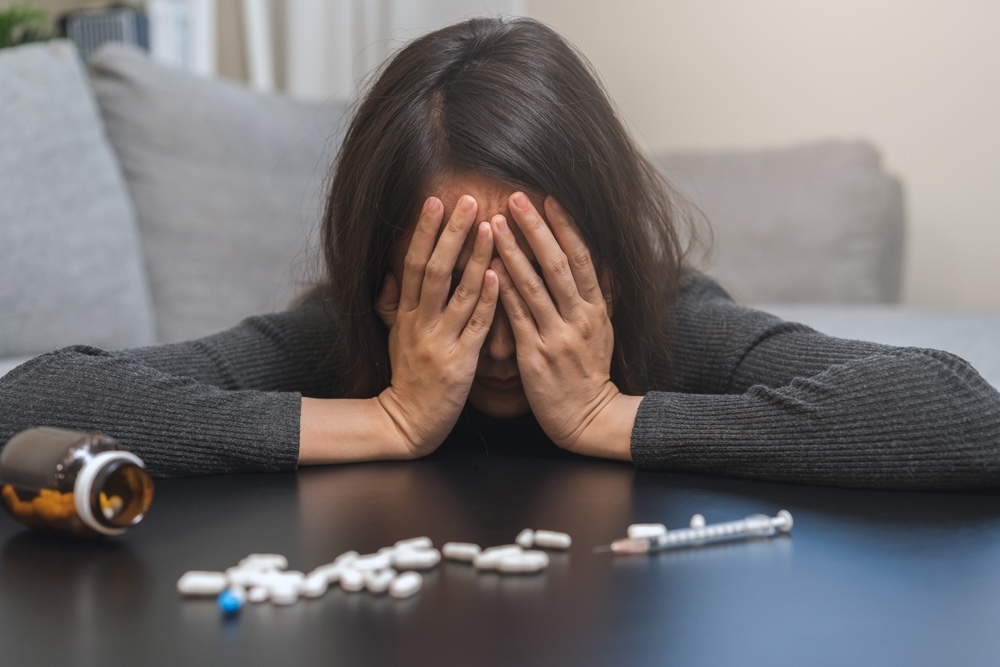
Opioid withdrawal can feel overwhelming. Your body may ache, your stomach may cramp, and sleep may become difficult. Anxiety and cravings can make every hour feel longer. These symptoms often lead people back to opioid use even when they want to stop.
Withdrawal does not reflect weak character. It happens because your body has adapted to repeated opioid exposure. A professional assessment can help you understand what to expect and which services may provide support. Comprehensive opioid addiction treatment can address withdrawal while also preparing you for the emotional and behavioral parts of recovery. You do not have to wait until symptoms become unbearable before asking for help.
Why Opioid Withdrawal Happens
Opioids attach to receptors throughout your brain and body. These receptors influence pain, stress, digestion, breathing, and feelings of reward. With regular use, your nervous system adjusts. It begins functioning in the presence of the opioid. This process can create physical dependence. When the amount suddenly falls, your body must operate without the substance it expects. The nervous system becomes unsettled, and withdrawal symptoms appear.
Physical dependence can develop during prescribed treatment. It does not automatically mean that you have opioid use disorder. Addiction involves additional patterns, such as cravings, loss of control, and continued use despite harm. That distinction is important. You should still speak with your prescriber before stopping an opioid medication. A gradual taper may be appropriate for some patients. If opioid use has become difficult to control, an addiction assessment can help. The goal is to understand your health and needs, not to judge how the problem began.
Early Symptoms May Feel Like a Severe Illness
Early opioid withdrawal may cause restlessness, anxiety, yawning, sweating, runny nose, watery eyes, muscle aches, or trouble sleeping. You may feel unable to become comfortable. Your legs may ache, and sitting still can become difficult. Cravings may begin or grow stronger. The timing varies. Symptoms from a short-acting opioid may begin within several hours. Withdrawal from a longer-acting opioid may take longer to appear.
How you feel also depends on the dose, duration of use, overall health, and use of other substances. Two people using the same drug may have different experiences. Early symptoms can build into more intense stomach and flu-like problems. Trying to judge the entire process by the first few hours can be misleading. Contact a healthcare professional before making a sudden change. They can review your medication or opioid use and help you plan more safely.
Later Symptoms Can Cause Significant Physical Stress
As withdrawal progresses, you may develop nausea, vomiting, diarrhea, stomach cramps, dilated pupils, chills, shaking, and stronger muscle pain. Your heart may beat faster, and blood pressure can rise. Sweating and repeated stomach problems may lead to fluid loss. Opioid withdrawal is not usually fatal by itself in a healthy adult. However, complications can become serious. Severe vomiting and diarrhea may cause dehydration or changes in important body salts.
Pregnancy, heart problems, infections, and other medical conditions can add risk. Withdrawal from several substances at once can also complicate care. Call 911 for chest pain, severe breathing trouble, fainting, confusion, seizures, or an inability to stay awake. These are not typical symptoms to manage at home. Emergency departments handle urgent medical problems. Addiction treatment can help once immediate dangers are stable.
Cravings and Emotional Symptoms Matter Too
Withdrawal is not limited to stomach problems and muscle pain. You may feel depressed, anxious, irritable, or unable to experience pleasure. Sleep problems can continue after the most obvious physical symptoms improve. Fatigue and low mood may make normal responsibilities feel impossible. Cravings can become intense because the brain remembers that opioids quickly stop withdrawal discomfort. This creates a powerful cycle.
Using again may bring temporary relief, but it also restarts physical dependence. The pattern can continue even when you understand the consequences. Tell your care team about emotional symptoms. Anxiety, trauma, depression, or another condition may need attention alongside opioid treatment. If you are thinking about suicide or harming yourself, seek immediate crisis support. Call emergency services when there is an immediate risk.
Returning to Opioid Use Creates Overdose Danger
Your opioid tolerance may fall during withdrawal, detox, treatment, hospitalization, or incarceration. This change can happen faster than expected. If you return to the amount you previously used, your body may no longer tolerate it. The result can be a fatal overdose. Street opioids add another risk because their strength and contents may be unknown. Fentanyl can be present without the person knowing.
Keep naloxone nearby if opioid exposure is possible. Household members should know where it is and how to use it. Call 911 whenever you suspect an overdose. Give naloxone if available, and do not leave the person alone. Overdose planning does not assume failure. It recognizes a real danger and gives families a way to respond.
What Medication-Assisted Treatment Means
Medication-assisted treatment combines medication with broader recovery care. The term is often shortened to MAT. For opioid use disorder, FDA-approved medication options include buprenorphine, methadone, and naltrexone. They work differently and have different requirements. Buprenorphine and methadone can reduce withdrawal and cravings by acting on opioid receptors in controlled ways. Naltrexone blocks opioid effects and requires a period without opioids before it can begin.
The right choice depends on your current opioid use, withdrawal status, health, goals, and access to care. A trained professional should make that decision with you. Medication can provide enough stability for you to focus on counseling, relationships, work, and health. It is not a shortcut. It is a recognized form of treatment for a serious health condition.
How MAT Can Make Withdrawal More Manageable
A properly selected medication may reduce physical withdrawal symptoms. It can also lower cravings that make the early recovery period difficult. Relief does not mean every symptom disappears immediately. Sleep, mood, energy, and digestion may still take time to improve.
Your care team may monitor your response and adjust treatment when appropriate. Never change the amount or timing on your own. Starting medication at the wrong time can cause problems. For example, certain medications require you to be in an appropriate stage of withdrawal. Naltrexone requires a longer opioid-free period. This is why self-treatment can be risky. Medication purchased outside legitimate care may be counterfeit or contaminated. A structured medication-assisted treatment program connects medication decisions with assessment, monitoring, and continued support.
MAT Complements Counseling & Recovery Skills
Medication treats important physical parts of opioid use disorder. It cannot resolve every relationship problem, trigger, or emotional concern by itself. Counseling can help you understand how opioid use became part of your routine. You may examine pain, stress, trauma, anxiety, depression, or social pressure. You can also learn practical ways to respond to cravings. Planning ahead can reduce decisions made during moments of distress.
Group therapy may provide connection and accountability. Family counseling can improve communication and help loved ones set healthy boundaries. Recovery education helps you understand overdose risks, medications, triggers, and warning signs. These tools remain useful as your needs change. The strongest plan treats you as a whole person. Medication, counseling, medical care, and practical support can work together.
Treatment Should Continue Beyond the Withdrawal Stage
Feeling physically better does not mean opioid use disorder has disappeared. Cravings and triggers may return after the worst withdrawal symptoms end. Continued care helps you prepare for those moments. Your plan may include residential treatment, intensive outpatient services, individual counseling, medication management, or peer support. The right setting depends on your health and living environment. Residential care may provide stability when home is unsafe or filled with triggers.
Outpatient treatment may fit when you are medically stable and have reliable support. It allows you to attend scheduled care while living at home. Aftercare planning should begin before your current program ends. Identify appointments, medications, supportive people, transportation, and emergency contacts. Recovery becomes more manageable when each stage connects with the next.
How to Prepare for a Withdrawal Assessment
Write down which opioids you use, how often you use them, and when you last used. Include prescribed medication, street opioids, and substances you use only occasionally. Tell the assessor about alcohol, benzodiazepines, stimulants, or other drugs. Withdrawal and treatment needs may change when several substances are involved. Share your medical conditions, medications, allergies, and pregnancy status. Discuss previous withdrawal, overdose, and treatment experiences.
Ask what symptoms require emergency care. Learn which setting is being recommended and why. You can also ask about medication options, insurance, transportation, family involvement, and the transition into continued care. Honest information helps the treatment team plan. You are not expected to arrive with every answer or know which medication you need.
Begin With Care That Supports Safety and Stability
Opioid withdrawal can produce intense physical and emotional symptoms. Complications such as dehydration can become serious, while reduced tolerance can create overdose danger if you return to use. Professional care can help you manage withdrawal, understand medication choices, and prepare for continued treatment. If you take prescribed opioids, speak with your prescriber before changing or stopping them.
Nova Vital Recovery provides opioid addiction treatment through medically supported detox, residential care, medication-assisted treatment, and intensive outpatient services in Louisiana. Our team creates personalized plans based on your health, history, support needs, and recovery goals. Contact Nova Vital Recovery to discuss your symptoms and learn which level of care may offer the right support.